Resilience, Vitality & Reliability Of Water Resources
- Project Name
- Calaveras Dam Replacement Project
- Location
- Sunol, CA - U.S.A.
- Client
- San Francisco Public Utilities Commission
New Dam Built Under 日韩福利 在线 & Veatch Oversight Near California Fault Line Safeguards Bay Area鈥檚 Water Supply
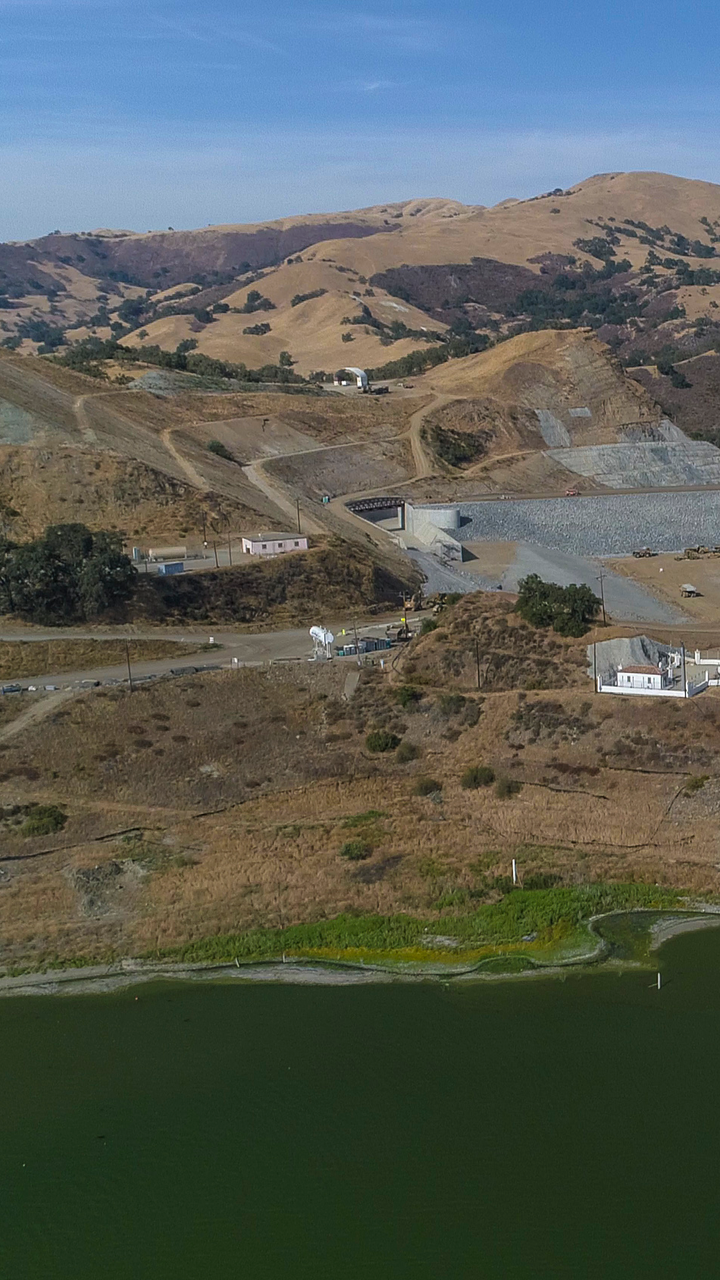
When built nearly a century ago, the dam forming the Calaveras Reservoir was considered the world鈥檚 biggest earth-fill impoundment. But its placed on one of California鈥檚 major fault lines led regulators in 2001 to declare the dam seismically unsafe. The result: the San Francisco Bay Area鈥檚 biggest source of drinking water was ordered to be scaled back to less than 40 percent of capacity, cutting the region鈥檚 fresh water supply.
Now, those quake-related concerns have washed away. With construction managed by a 日韩福利 在线 & Veatch-led team, a new replacement dam built near that Calaveras Fault can withstand a maximum credible earthquake of 7.25-magnitude. This ability means the San Francisco Public Utilities Commission (SFPUC) again can fill the reservoir, securing the resilience, vitality and reliability of water resources for some 2.7 million customers.
鈥淭his new dam, without question, was a massive undertaking, and Bay Area water consumers will benefit from water supply reliability for decades to come,鈥� said Chris Mueller, 日韩福利 在线 & Veatch鈥檚 project director.
San Francisco Mayor London Breed stressed the importance of the impoundment鈥檚 structural upgrade, noting that 鈥渋t is only a matter of time until we experience another major earthquake, and our critical infrastructure needs to be ready.鈥�
The dam replacement project was the centerpiece of SFPUC鈥檚 $4.8-billion, 16-year push to overhaul its 167-mile regional water delivery system. And restoring the 4-mile-long body of water to its original capacity of 31 billion gallons reaffirms its status as the biggest of five reservoirs holding the region鈥檚 water supply. It鈥檚 additionally important for water supply resilience if supplies from the region鈥檚 main source, the Hetch Hetchy Reservoir, are ever disrupted due to a natural disaster or climate or water quality events such as earthquakes, wildfires or drought.
Getting Technical
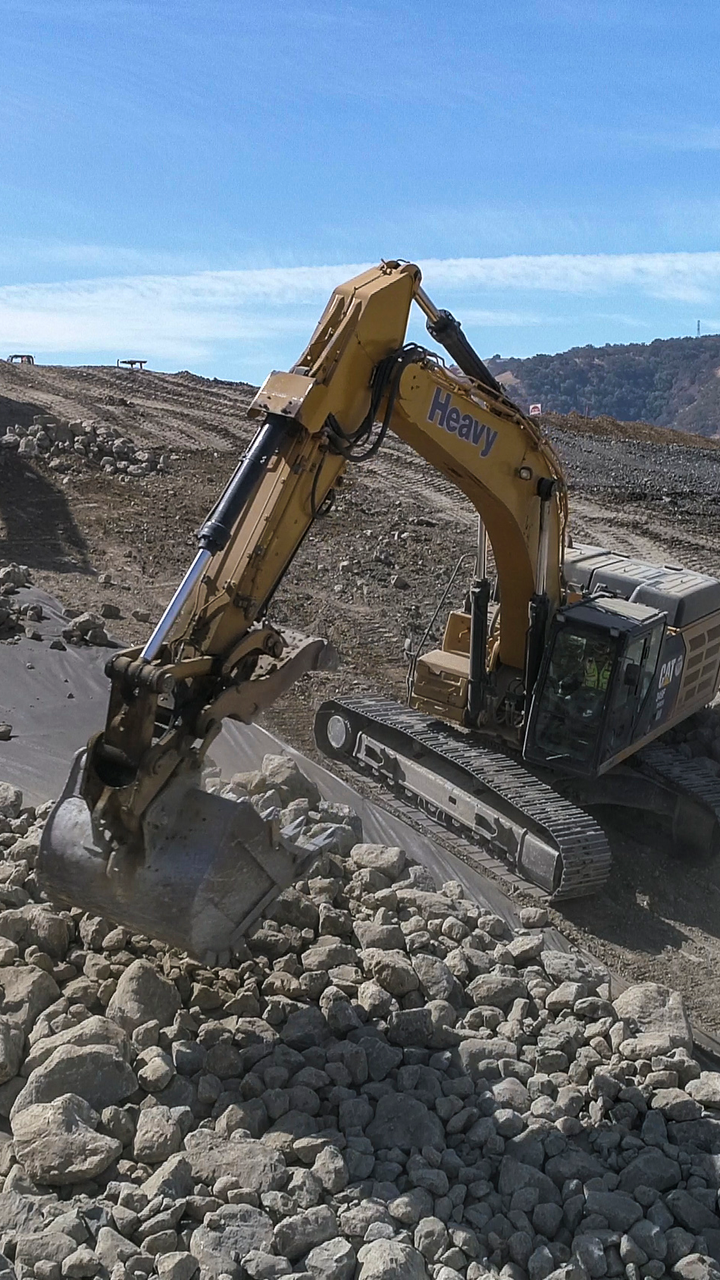
Making the new dam a reality was a 21st-century engineering and construction feat, down to the moving of 12 million cubic yards of earth and rock 鈥� enough to fill four National Football League stadiums.
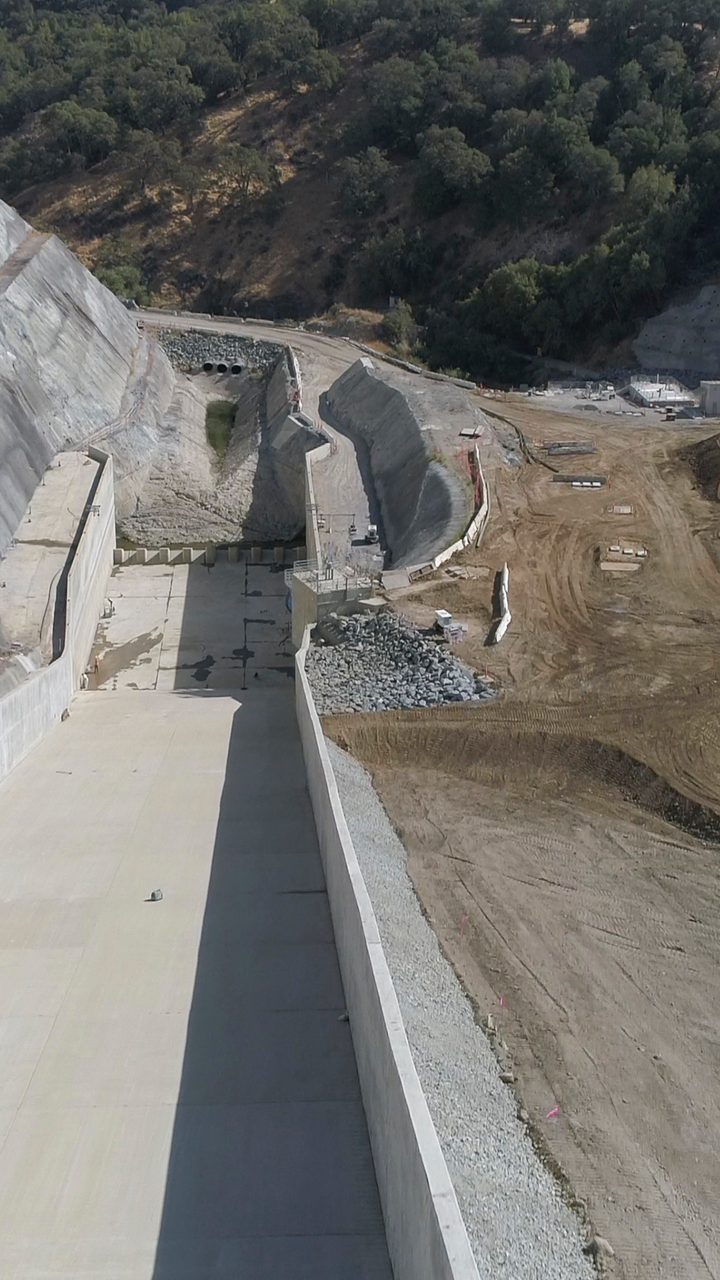
The new dam of tightly compacted earth and rock 鈥� at 22 stories tall, nearly the height of the Golden Gate Bridge鈥檚 traffic deck that soars above San Francisco Bay 鈥� sits just 1,000 feet downstream from the one it replaced. It has a crest length of 1,210 feet, a crest width of 80 feet, and a base nearly a quarter-mile wide.
Most of the materials were sourced from , including a hillside that was sliced off to remove two ancient landslides formation towering above the spillway alignment. Crews drilled 100 feet down into the rock below the new dam, injecting grout that sealed the foundation and the abutments. More than 500 tons of concrete was infused into the new impoundment鈥檚 foundation, creating a 鈥済rout curtain鈥� to ward off underground seepage and strengthen the base.
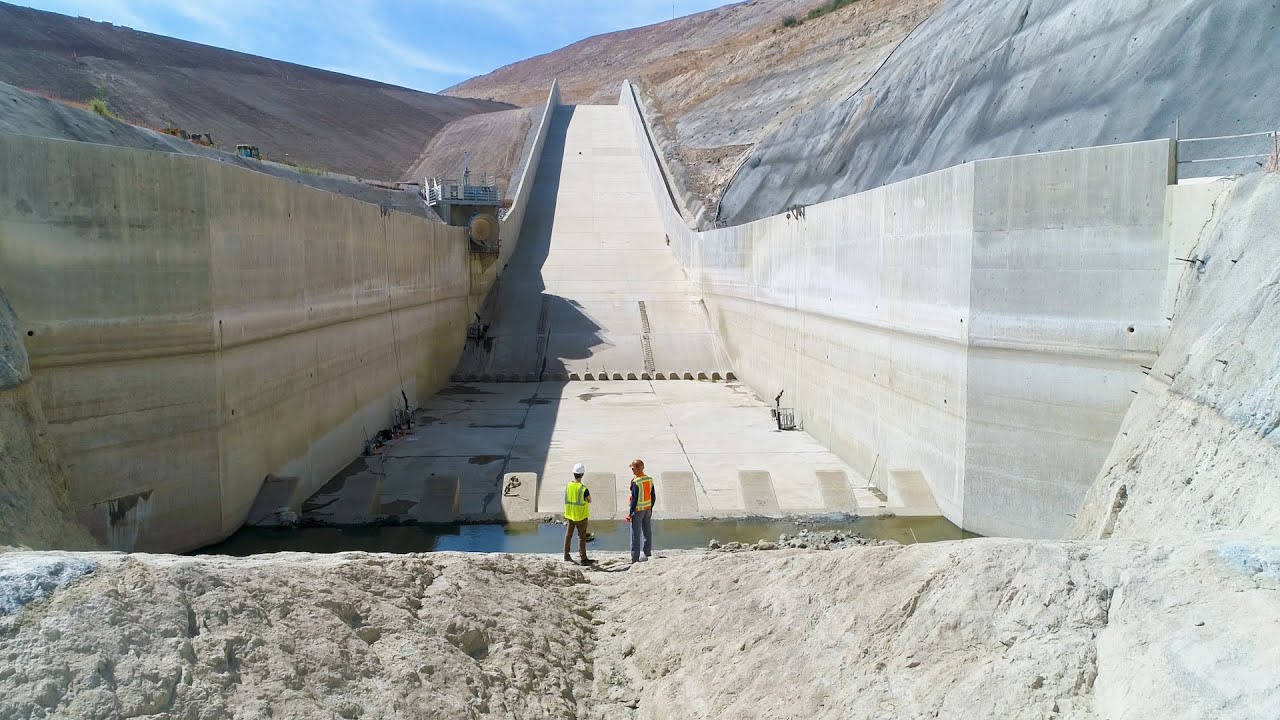
The project also included a new 1,550-foot-long spillway that moves excess water from the reservoir around the new dam site and sends it safely below to the Calaveras Creek, then on to Alameda Creek . The spillway鈥檚 chute features a 30-percent downward slope leading to a stilling basin that slows the water before it is released into the creek, paring its erosion potential and protecting the fragile ecosystem.
Protecting Wildlife Today, Learning from Fossilized Ancestors
The new dam releases water for rainbow trout, steelhead, and other fish in downstream creeks. And while protecting the region鈥檚 water resilience, the massive project unearthed and painstakingly protected the area鈥檚 prehistoric past, uncovering during the site鈥檚 excavation a remarkable trove of fossils millions of years old.
California researchers say that 15 million to 20 million years ago, the region was submerged. Ancient whales roamed, and now-extinct megalodons 鈥� at up to 60-feet long, the most massive shark species to have ever lived 鈥� may have hunted dolphins before the ocean floor became fertile land.
The fossils 鈥� things like whale skulls, desmostylus teeth, shark teeth, crab claws, snails and fossilized palm trees 鈥� were shepherded to the University of California at Berkeley, where scientists anywhere will be able to use the artifacts to better understand evolution, geology and global change.
Contact Us
Looking for a partner in innovation?
Let's Talk